
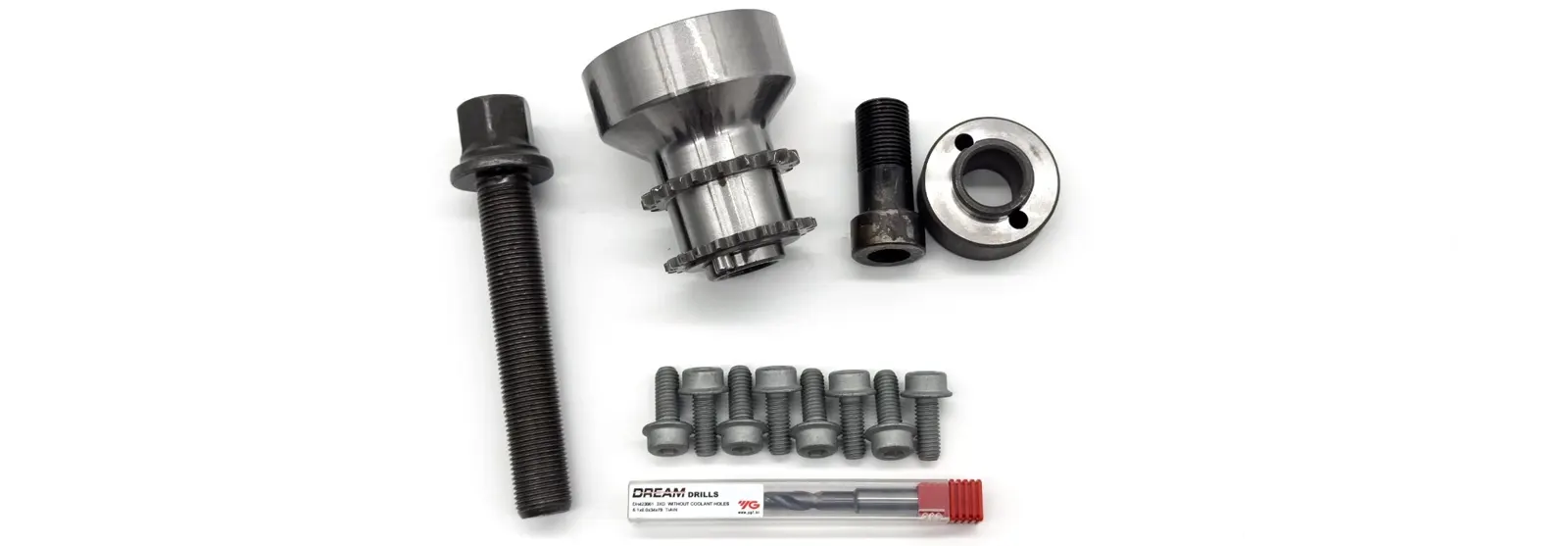
OEM vs Aftermarket Parts:
How to Spot Quality and When It Matters
Whether you’re rebuilding a performance engine or simply replacing worn components, you’re often faced with the choice between OEM (Original Equipment Manufacturer) parts and aftermarket alternatives. While the debate between the two is long-standing, understanding when to use which — and how to spot quality — can make all the difference in reliability, performance, and cost.
1. What Are OEM Parts?
OEM parts are manufactured by the same companies that supply parts to vehicle manufacturers. These parts are built to meet the exact specifications of the original and are typically sold through dealerships or authorised distributors.
Pros:
- Guaranteed fitment and compatibility
- Reliable quality control
- Often carry a manufacturer’s warranty
Cons:
- Usually more expensive
- Limited availability for older or modified engines
2. What Are Aftermarket Parts?
Aftermarket parts are made by third-party manufacturers. They can range from budget replacements to high-performance upgrades that exceed OEM standards.
Pros:
- Wider variety and availability
- Can offer performance gains or enhancements
- Often more affordable than OEM
Cons:
- Quality varies significantly between brands
- Some parts may require modifications to fit properly
- Potential for shorter lifespan if low-quality
3. When Should You Choose OEM?
- Restoration Projects – If you’re restoring a classic or keeping a vehicle completely original.
- Daily Drivers – For reliability and peace of mind, especially when under warranty.
- Unmodified Engines – Ensures consistency and minimises compatibility issues.
4. When Are Aftermarket Parts Better?
- Performance Builds – Aftermarket parts can be tuned for higher power, durability, and thermal resistance.
- Cost-Sensitive Repairs – Budget-conscious options for older vehicles not worth the OEM premium.
- Availability Issues – For discontinued models or less common engines.
5. How to Spot High-Quality Aftermarket Parts
At Nevlock, we’ve seen the best and the worst. Here’s what to look for:
- Brand Reputation
Stick to trusted manufacturers with a proven track record. We only supply parts from globally recognised brands. - Certifications and Standards
Look for ISO certification, race-approved specs, or endorsements from reputable garages. - Material Quality
For example, a gasket made from composite multi-layer steel will generally outperform older fibre-based versions. - Fit and Finish
Clean machining, proper coatings, and accurate dimensions are all signs of quality. - Supplier Knowledge
Choose suppliers who understand the products they sell — like Nevlock. We’re more than box movers — we know engines inside and out.
6. Conclusion: It’s Not One or the Other
Choosing between OEM and aftermarket parts isn’t about loyalty — it’s about the right part for the right job. Whether you need factory-perfect reliability or high-performance capability, understanding the difference ensures you get the most out of your engine.
Need help choosing the right part?
Speak to our expert team at Nevlock – we’re here to guide you every step of the way.
📞 02476 450777
📧 info@nevlock.co.uk